Documenting Whistleblowing — A TSN Conversation With Filmmaker Marc Bauder
By Sandrine Rastello
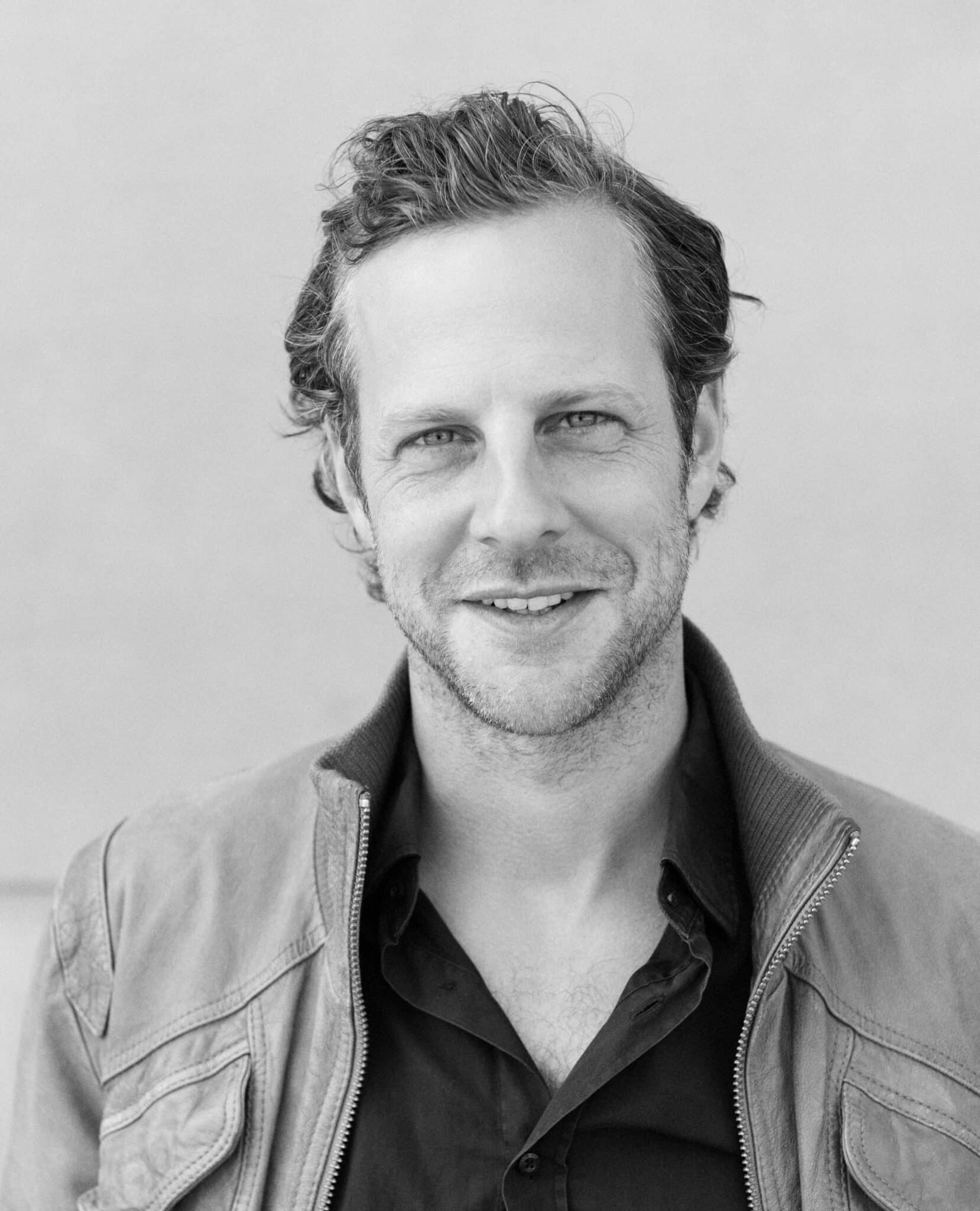
Marc Bauder has spent the past 20 years capturing on camera how political and economic systems work, and how individuals behave within these systems. From initially trying to convince people on the inside of what needs changing, he has progressively shifted his focus to people who spot and denounce wrongdoing. He spoke with Sandrine Rastello about his latest documentary, Whistleblower, which shines a rare light on the process of speaking up, the risks involved, and the organizations that offer support.
How did this documentary come about?
I previously did a film with Bastian Obermayer and Frederik Obermaier, the journalists who initiated the Panama Papers investigation [based on offshore financial records leaked by a whistleblower], so I had experience with the routines and work processes of journalism.
Journalists, and society as well, rely on people for information that can bring about change. I thought it would be interesting to take the perspective of whistleblowers and get a better understanding of what drives them, who helps them navigate the risks.
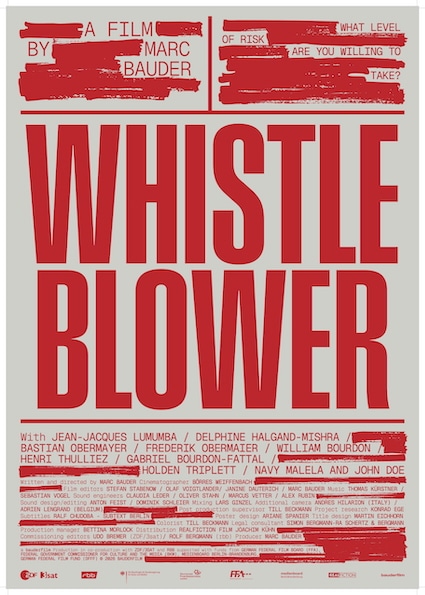
There are a lot of films about stories started by whistleblowers. I think it’s the first film about the mechanisms of whistleblowing, with a focus on the humans behind the story, rather than the story itself.
What were the challenges you faced while filming, especially around anonymity and security?
While we understood before filming that the risks are high, being part of the process and putting ourselves in the position of a potential whistleblower helped us understand that it’s sometimes better to protect them rather than going public.
We also had to find solutions to show the unshowable. For instance, Delphine [Halgand-Mishra, TSN’s Executive Director] let us record her voice when talking to a potential whistleblower that we never see or hear. I also included my telephone calls with Jean-Jacques [Lumumba, a whistleblower who speaks on camera], talking about the restrictions, the risks for him and his family of being including in the film.
 The documentary has been shown at several festival. What kinds of reactions have you received?
We had screenings in Warsaw, Kiev, Munich, and also at a festival on the Global South. Every screening brought a different perspective. In Munich, people talked about the need to have more laws supporting whistleblowers. At the festival, the focus was more about transparency in post-colonial countries.
But what came up every time was the importance of re-empowering ourselves and the people around us, of getting back on track after years of being passive and paralyzed by the amount of problems in the world. Of staying human in inhuman times. Ukraine is a very powerful example of what humans can do.
What do you hope to elicit with Whistleblower?
I think it’s important, as a starting point, to be aware of the importance of whistleblowers for our society, and to support organizations like TSN, which make them safer in the process. Delphine was only allowed to talk about one of 50 cases she was dealing with. Behind the limited insight we gave, there are so may untold stories of people who wonder every day: “Should I do it? Can I do it?”
This is a film about the importance of raising your voice. We all have a moral compass inside us, it’s just the society we live in that has stopped it from functioning. How do we reactivate it in our daily life?
I’d like the audience to turn back to themselves and ask: “Why can’t I do it myself, in a less risky setting, like my family, my friends, my small company?”