Deciding to Blow the Whistle — A TSN Conversation With Tyler Shultz
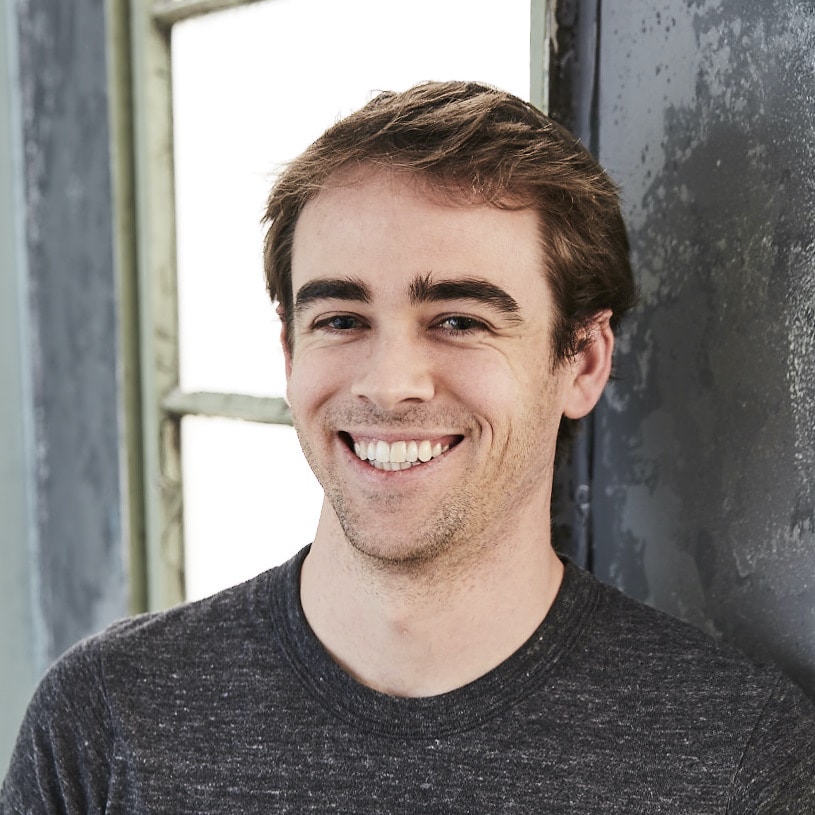 By talking to a Wall Street Journal reporter about the deceptions and lies he witnessed at Theranos, Tyler Shultz helped expose the celebrated blood-testing startup as one of the biggest corporate frauds in U.S. history. But blowing the whistle also put him under intense legal and financial stress. Now a professional speaker advocating for ethical innovation and a director on TSN’s board, Tyler reflects in a chat with Sandrine Rastello about the lessons he learned and the crucial first steps of whistleblowing.
How did whistleblowing change your life?
It completely changed my life trajectory. For a long time, it was definitely bad. But time heals all wounds, and I ended up getting the outcome that I was looking for. I’ve been celebrated as a whistleblower and I think it has ultimately created opportunities for me. People have told me I’ve inspired them to speak up. So, in the long term, I’d say it was a good thing. I’ve been able to take what was the most negative experience of my life and turn it into a positive one.
Is there anything you would do differently, in hindsight?
The number one thing that I would do differently is just work with a lawyer. I wish I had been able to work with a group like TSN, someone looking at my situation holistically, not just through the lens of a lawyer or of a journalist, and thinking: Who are the best lawyers for him? Who would work on contingency [Getting paid only if winning the case]? Who are the best journalists?
I ended up working with a very good journalist, but I got lucky, and I just wish I had just been more intentional about the way I went about what I did. I was just incredibly reactive, I didn’t have a long-term strategy and I would have benefited from having someone who’s seen these types of situations many times, to help me understand what I was getting myself into and how to prepare for it.
You blew the whistle more than a decade ago. Would you say it’s easier to be a whistleblower today?
I think in some ways it’s easier and in some ways harder. There are more whistleblowing channels, or at least they’ve been more used. When I started blowing the whistle, in 2014, the SEC’s whistleblower program was still fairly new and I don’t think many people even knew that it existed. Now, it has really matured and the process has gotten a lot stronger. There are more lawyers who are aware of it and who will work on contingency because of it.
On the flip side, I think that the huge problem we had at Theranos around secrecy and heavy-handed non-disclosure agreements (NDAs) has gotten even worse, even though laws around NDAs have gotten a lot stronger. I’ve been shocked to see some of the things that these big private Silicon Valley companies are including in their agreements, like employees waiving the rights to a whistleblower reward or needing permission from the company before speaking to a regulator. JP Morgan was recently fined for having a confidentiality agreement impeding clients from reporting potential violations to the SEC.
These things are blatantly illegal but I feel companies are making this calculus that there isn’t going to be a single or small group of whistleblowers who want to stand up to these massive massive private companies and their incredibly powerful founders.
We are seeing evidence of organizations like TSN receiving noticeably more requests for help. Why do you think that is?
There is less stigma around being a whistleblower. Some whistleblowers who are a bit older than me prefer the term “truth teller,” but I think people from my generation aren’t afraid of being branded as a whistleblower, in part because of stories like mine, where whistleblowers are celebrated and not punished.
I think it’s also probably in large part because of the maturity of whistleblower programs like the ones at the SEC or the IRS, with financial rewards and a new ecosystem of lawyers who will work on contingency. Many whistleblowers are never able to work again, so I think it’s important to financially compensate them.
And then, TSN has seen an uptick in government whistleblowers alone. The government is engaging in a lot of wrongdoing right now, so there is a lot to call out.
What advice would you give to people who are considering blowing the whistle and how do financial considerations come into play?
First, try to prove yourself wrong. What are you missing? At Theranos, I went to every corner trying to find evidence that I was wrong and what I found only reinforced that I was right. I do think you should try to raise your concerns internally first. If you’re ignored or punished, then start looking externally, reach out to a lawyer or an organization like TSN.
When you start going down that path, I think you need to have an honest conversation with yourself and ask: Am I going to be able to continue down this path for as long as it takes? It could be very expensive. It could have a huge toll on my personal life.
If the thing that you’re blowing the whistle on is worth it, the answer will be yes and and the risks will be worth taking, but whistleblowers just have to be aware of those risks and be ready to take them because this isn’t something where you want to take the first two steps and then back out.